
Therapy For Panic in London
With a National Award (BACP) for clinical excellence in therapy provision, Maggie Morrow founded Klearminds in 2008 and brings you a team of highly experienced therapists for panic attacks in London. Our therapists can help you break free from the grip of panic, rebuild calm from the inside out, and take back control of your life with confidence.
Finding the right therapist shouldn’t add to your anxiety. With over 30 years of experience, our Clinical Directors can recommend the best panic therapist who can help you build the tools to navigate and reduce panic.
We offer therapy rooms in Central London, the City of London and online therapy options.

How Can KlearMinds Therapy Help You With Panic?
At KlearMinds, we don’t teach you to live around panic — we show you exactly how panic operates, so you can interrupt it and take back control. With the right understanding, panic attacks lose their grip and can be stopped and even prevented from returning. Our experienced therapists work in a focused, results-driven way, drawing on evidence-based therapies including CBT for panic, to help you recognise the patterns that drive panic and stop them from disturbing your life.
We’ll work with you to develop a personalised toolkit that equips you to ease symptoms quickly, interrupt panic before it escalates, and feel steady and self-assured in situations that once felt overwhelming. With the right support, freedom from panic is absolutely possible
Our expert panic therapists can help you:
- Understand the underlying causes and triggers of panic, so you can reduce their power over you
- Recognise the early signs of panic and learn techniques to prevent escalation
- Challenge and reframe unhelpful thoughts that fuel panic cycles
- Break the link between physical sensations and panic responses using proven, step-by-step strategies
- Reduce the emotional and physical impact of panic through calming, grounding, and breathing techniques
- Develop personalised strategies to navigate daily situations with greater ease and confidence
- Build a toolkit of techniques to maintain progress and prevent panic from regaining control in the future
Meet Our Experienced Therapists

Judy Harrison
Psychotherapist, Couples Therapist
PG Dip Psychotherapy, Dip Mediation, Mindfulness Meditation Cert, Cert Psychotherapy, UKCP, BACPJudy holds over 25 years experience.
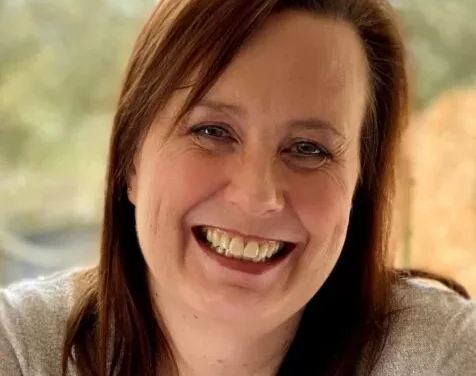
Karen Gubb
Psychologist & Executive Coach
PhD Psychology, MA Clinical Psychology, BSc (Honours) Psychology, BSc, PCC, HCPC, BPSKaren holds over 23 years experience.

Amanda Reynolds
Psychotherapist & Counsellor
Adv Dip CBT, Dip Counselling, BSc Psychology, Cert Counselling, BACPAmanda holds over 13 years experience.
Our Reviews on Google
What is Panic or Panic Disorder?
Everyone feels anxious or fearful at times, but with panic disorder these responses can arise suddenly, feel extreme, and often don’t match the situation at hand. Panic attacks can be so intense that people fear they are losing control, fainting, or even experiencing a medical emergency. Understandably, this can create a heightened fear of future attacks, which in turn can make everyday life feel increasingly restricted.
Panic disorder occurs when these sudden, intense episodes of fear or anxiety (panic attacks) happen repeatedly, often accompanied by distressing physical sensations such as a racing heart, shortness of breath, dizziness, or trembling. It can feel frightening, overwhelming, and completely out of your control — but panic attacks are highly treatable, and recovery is possible. Gaining insight into what’s happening is a powerful first step toward reclaiming calm and confidence.
Panic can become a problem when:
- Attacks happen repeatedly and feel unpredictable or hard to manage
- The fear of having another panic attack interferes with work, social life, or daily activities
- You start avoiding certain places or situations for fear of triggering panic
- You feel stuck in a cycle of fear, physical symptoms and worry about losing control
Although the panic cycle can feel overwhelming, it is possible to break free. With the right support and strategies, you can learn how to respond to panic symptoms in new ways, calm your body’s reactions, and regain a sense of safety and control in your life.
Symptoms of Panic
Panic can affect people in many different ways, often creating intense physical sensations and anxious thoughts that feel overwhelming or uncontrollable. While each person’s experience is unique, there are certain signs that tend to show up more often. Below are some of the common symptoms people experience when struggling with panic attacks or panic disorder:
- Sudden, intense episodes of fear or anxiety that seem to come “out of the blue”
- Rapid heartbeat, chest tightness, or feeling like you can’t breathe
- Sweating, shaking, or trembling
- Dizziness, light-headedness, or feeling faint
- Nausea or stomach discomfort during episodes
- Hot flushes, chills, or tingling sensations in the body
- Fear of losing control, “going crazy,” or fainting
- Fear of dying, often linked to the intensity of physical sensations
- Feeling detached from yourself (depersonalisation) or from reality (derealisation) during attacks
- Ongoing worry about when the next panic attack might occur
- Avoiding certain places, activities, or situations for fear they might trigger panic
- Exhaustion or tension after repeated episodes
- Feelings of shame, frustration, or isolation related to experiencing panic attacks
If these experiences feel familiar, therapy can help. At KlearMinds, our experienced therapists can help you in understanding what’s happening in your body and mind, teach you skills to reduce the intensity of panic, and rebuild a sense of safety and confidence in your daily life. With the right help, panic doesn’t have to control your choices or limit what you can do.
Panic Therapy FAQs
-
How long will it take for therapy to help with panic?
-
The length of therapy varies depending on how often you experience panic attacks, how intense they feel, and what may be contributing to them. Many clients begin to notice improvement within the first few sessions, especially as they learn practical tools to calm the body, manage anxious thoughts, and interrupt the cycle of fear that fuels panic. For longer-term relief, particularly when resolving certain underlying causes of panic, more sessions may be beneficial. For example, some people find 6 to 12 sessions works well for them, other people find 24 sessions or more useful. Your therapist can help you identify how many sessions will work best for you.
-
What happens in the first therapy session?
-
What is the difference between panic attacks and panic disorder?
-
Can medication help to treat panic attacks?
-
Can panic attacks be cured?
-
What triggers panic attacks?
-
Can lifestyle changes really make a difference?

Get a Therapist Recommendation
Free Consultation: Get in touch for a personal recommendation OR to arrange a free telephone consultation with Maggie Morrow, Award Winning Therapist & KlearMinds Director.
Money back guarantee: 95% of our recommendations are successful. However, if your first appointment doesn’t feel like the right match – let us know. Based on your feedback, we can recommend a free appointment with a different therapist or if you prefer, you can request a refund.
Online Counselling Available
Take the First Step Towards Overcoming Panic Attacks
Information & Self-Help Tips for Panic Attacks

Ten Tips For Managing Panic Attacks
Once the feelings of panic start to set in, these thoughts have a way of taking over and can give…

Panic Attacks: How Can Cognitive Behavioural Therapy Help?
It happened again. One minute you were trying to fall asleep, and the next thing you knew, you were sitting…

What are you afraid of?
Everyone is afraid of something, but when your fear is so specific that it triggers excessive levels of anxiety or…

10 ways to relax at home
We all experience stress from time to time; it can affect us both emotionally and physically. Are you feeling…

3 CBT activities to help you ease your anxieties
Cognitive Behavioural Therapy (CBT) is based on the idea that thoughts, feelings and behaviours are interconnected and that by changing…

How Cognitive Behavioural Therapy Can Help Treat Anxiety Disorders
Anxiety disorders can seriously affect your quality of life. If you worry nonstop, have obsessive thoughts or panic attacks, or…

Our Locations
Our Therapy Rooms are near:
Mayfair – Soho – Harley Street – Covent Garden
Our Therapy Fees
Accepted Insurance Providers


Not Accepted Insurance Providers
Bupa UK, AXA, Healix, Vitality and Freedom
Professional Accreditations and Associations
Our hand-selected therapists have trained in the UK’s most respected institutions. They hold a minimum of 8 and up to 30 years clinical experience within the NHS, private and/or charitable sectors. They are registered with:


